Welcome
at NUTRiGREEN

NUTRiGREEN

Promoting green nutrition for the Sahel region


The NUTRiGREEN project studies the value chains of traditional African plants, to determine the incremental, systemic and transformative adaptations necessary to strengthen their impact in local and regional agri-food systems.

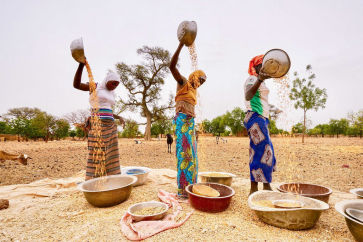
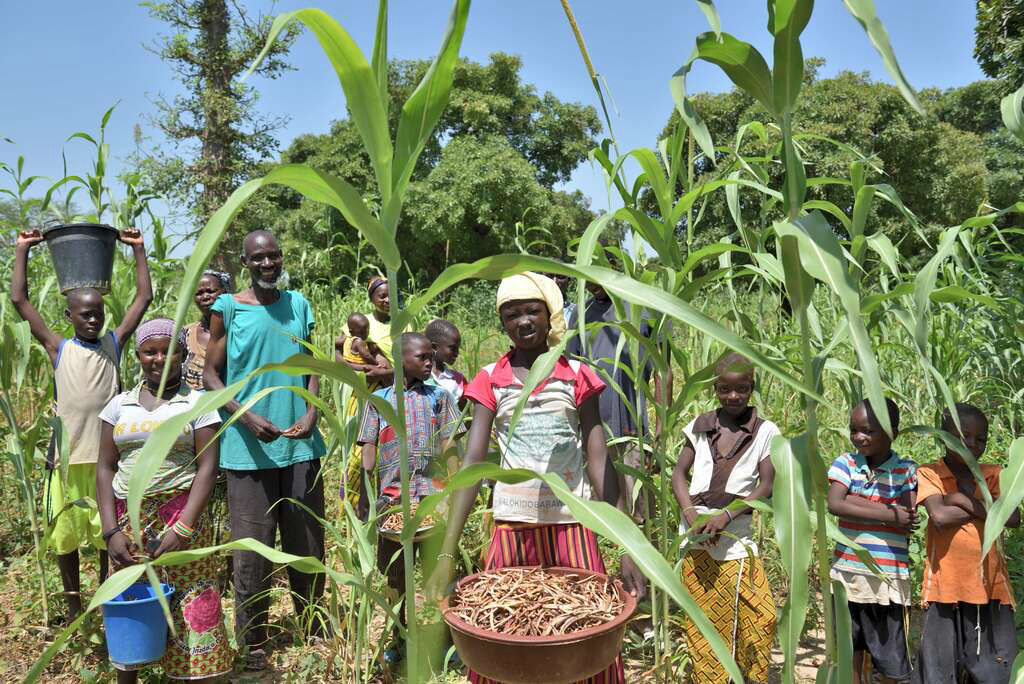
In collaboration with farmers, consumers and other actors in the value chain, we study their current status and future potential, from farm to population. Agro-ecological and climate resilient practices are at the heart of the project design.

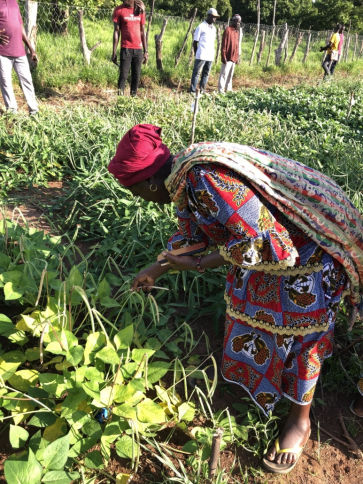
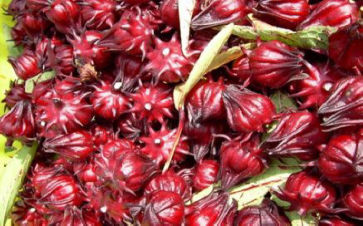
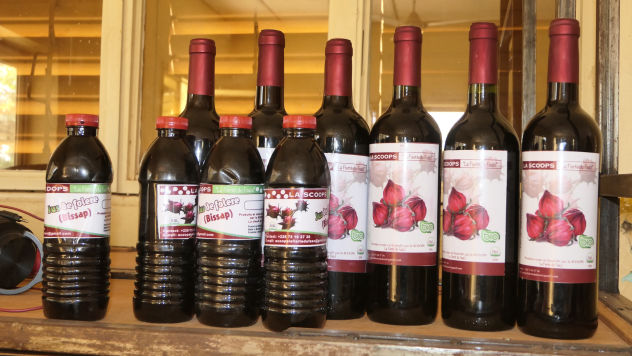
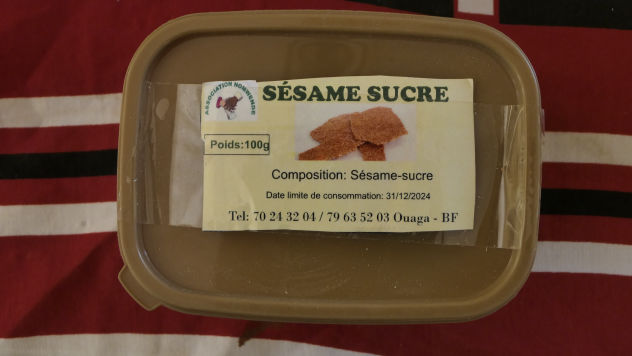
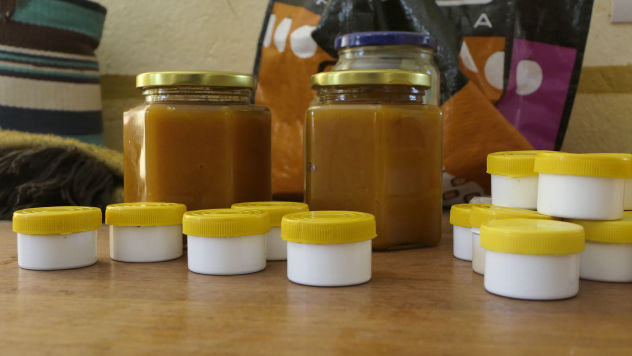
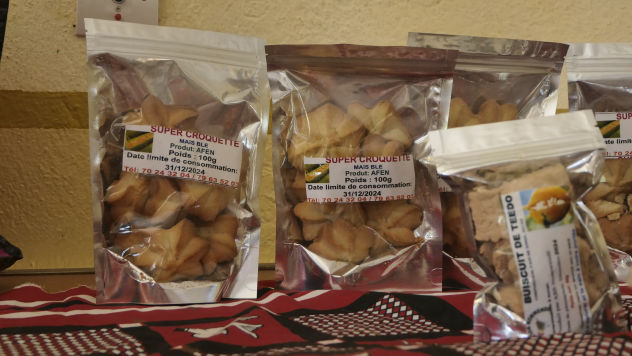
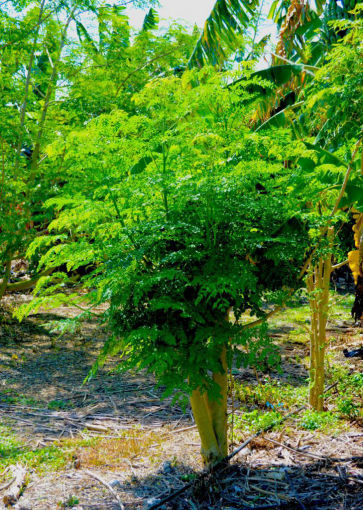
In addition, NUTRiGREEN actively promotes locally selected traditional plants, for example the spider plant, cowpea or hibiscus, in the two project regions (Zitenga in Burkina Faso and Thiès in Senegal) and supports local agripreneurs who create new products, jointly develop new recipes with culinary experts and initiate school gardens in local schools.

Following a “Living Lab” type research concept, NUTRiGREEN uses a co-research approach where academics and farmers merge their knowledge systems to innovate and create impact.
The project actively supports and engages young academics.
Mobirise Website Builder

The context

Burkina Faso and Senegal, two countries in the Sahel region, are facing three major constraints: high population growth, increased vulnerability due to climate change and widespread food insecurity.

It is therefore more important than ever:
a) support their efforts to transform the way food is produced and consumed,
b) adapt agricultural systems to the impacts of climate change,
c) minimize the negative environmental impact of food production,
d) increase the consumption of healthy and nutritious foods, and
e) improve the economic well-being of all actors in the food system.

Traditional West African plants have important nutritional and pharmacological properties.


Additionally, many traditional plants can better adapt to climate change due to their tolerance to abiotic and biotic stresses.

They also have a great agronomic advantage, as most of them grow quickly, provide nutritious food all year round and have high potential for generating regular income.

Objectives and methodological approaches

Mobirise
AT THE FOOD SYSTEM LEVEL

1. Objective:
Research and understand the economic potential and bottlenecks in traditional plant value chains and recommend tangible solutions.

Method :
Economic analysis of value chains (CV) of traditional plants to establish their national and regional potential - carried out as part of two doctoral theses.

Mobirise
AT THE PRODUCTION STAGE

2. Objective:
Improve the sustainable production of traditional plants throughout the year and protect local soils by applying agro-ecological production methods.

Method:
Training in agro-ecology and implementation of these new practices as part of two cycles of climatic field schools with local female farmers as co-researchers

3. Objective:
Link project results to the Great Green Wall initiative, and establish the potential of traditional plants to become economically viable non-timber products (NLPs). Method: Open dialogue with the Great Green Wall Initiative project and possible small-scale trials.

Mobirise
PROCESSING STAGE

4. Objective:
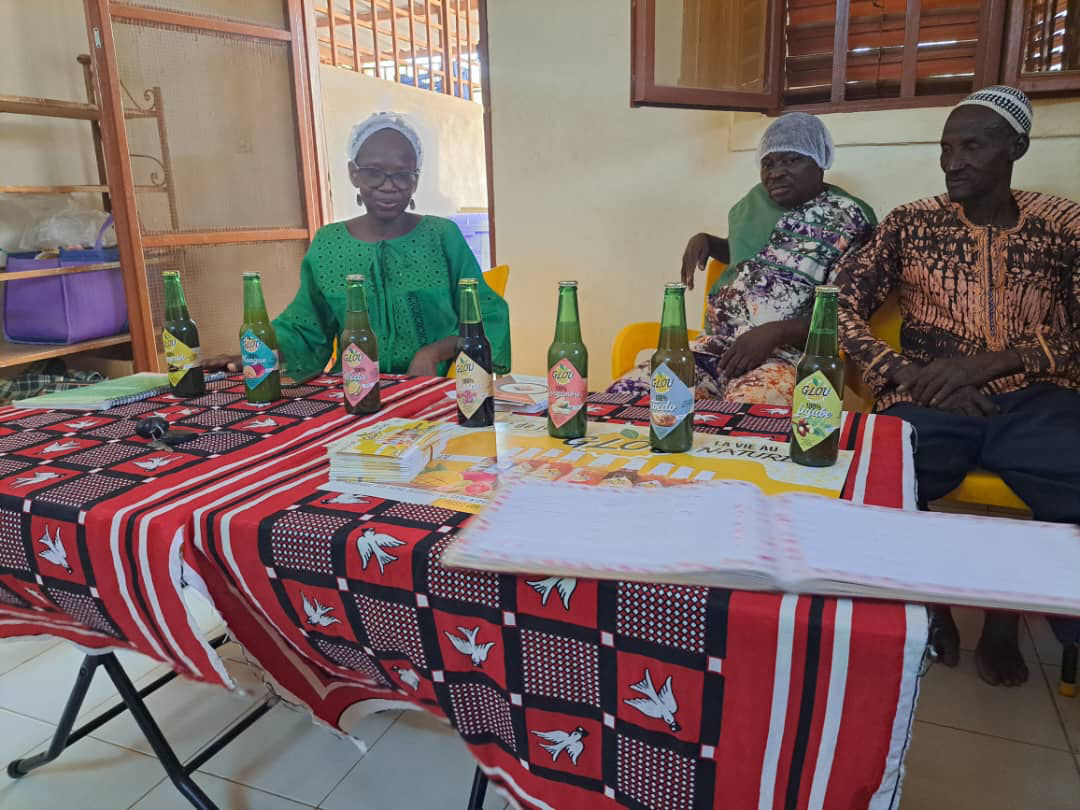
Create and promote new healthy products containing traditional plants.

Method:
Training of host entrepreneurs for the co-development of new products and marketing strategies.

Mobirise
CONSUMPTION STAGE

5. Objective:
Raise awareness among local people about the health benefits of consuming traditional plants and promote knowledge on how to prepare them.

3 Methods:
i) Social media campaign,
ii) television cooking show with nationally renowned culinary experts,
iii) recipe competition, and
iv) living laboratories.

6. Objective:
Educate and enthuse the younger generation about healthy nutrition. Method: Create school gardens with traditional plants

Mobirise
ACADEMIC AND POLITICAL OBJECTIVES

7. Objective:
Supporting young academics in Burkina Faso and Senegal

Methods:
i) Supervise and finance two doctorates,
ii) hire master’s students to conduct a household survey and consumer basket analysis,
iii) hire a master’s student to follow meteorological training, and
iv) hire a master’s student to supervise and document the “climate field school”.

8. Objective:
Introduce, implement and evaluate a co-research approach with farmers, consumers and students.

Methods:
i) Implement the living laboratory concept,
ii) provide training in co-research and evaluate activities with farmers,
iii) conduct a participatory analysis of the consumption basket, and
iv) train farmers in the photo voice technique to document collective learning.

9. Objective:
Strengthen awareness, acceptance and promotion of traditional plants at the political level.

Methods:
Generate simple production manuals, publish guidance notes and engage relevant ministries at events – particularly at the final NUTRiGREEN conference.

Mobirise Website Builder

Our Direct Partners

Living Lab Burkina
NUTRiGREEN Project  


Click on the button to watch the presentation video
Mobirise

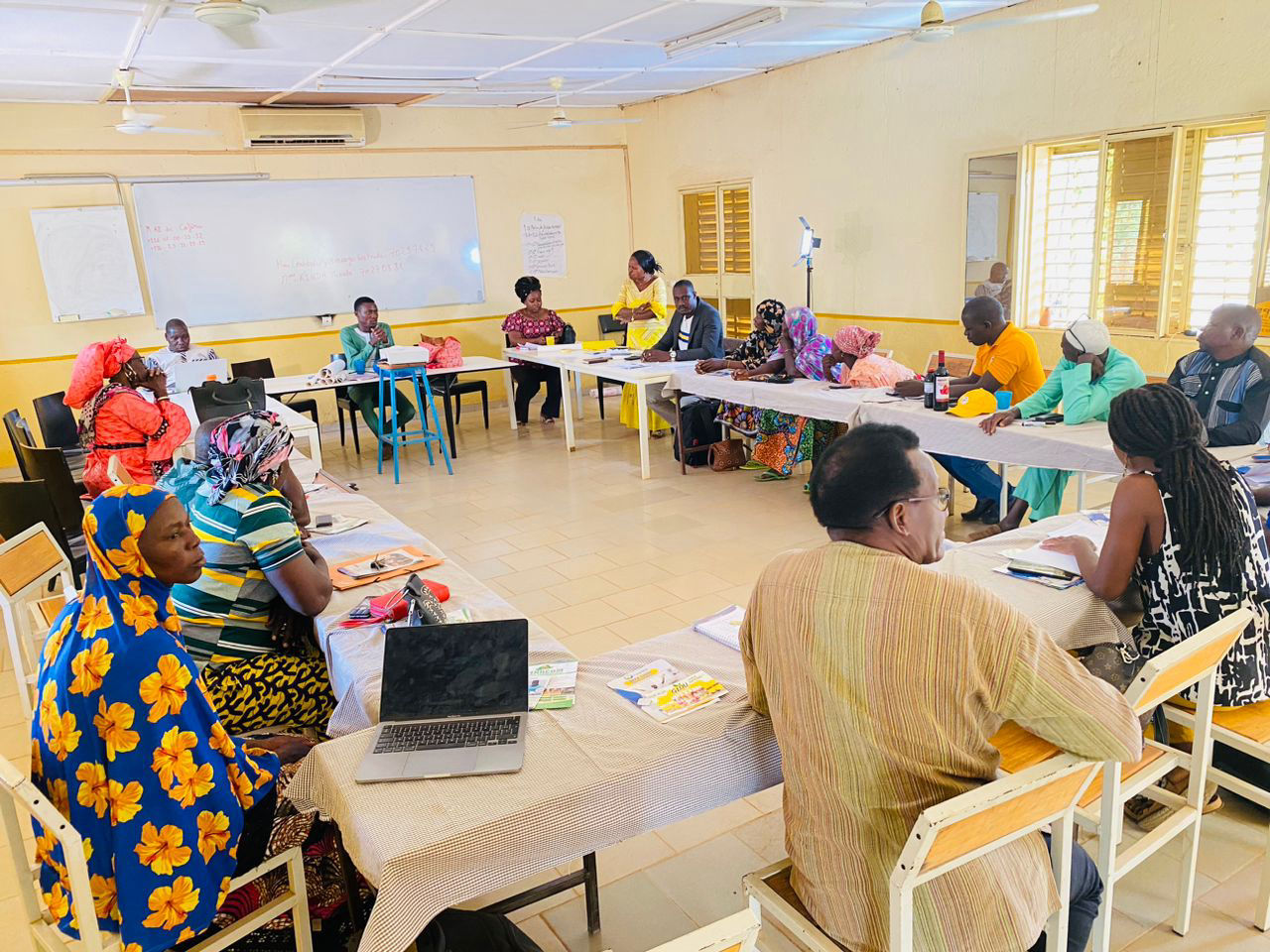
Training with Living Lab

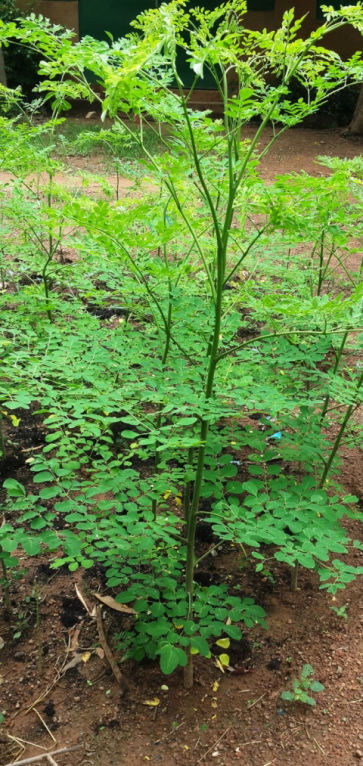
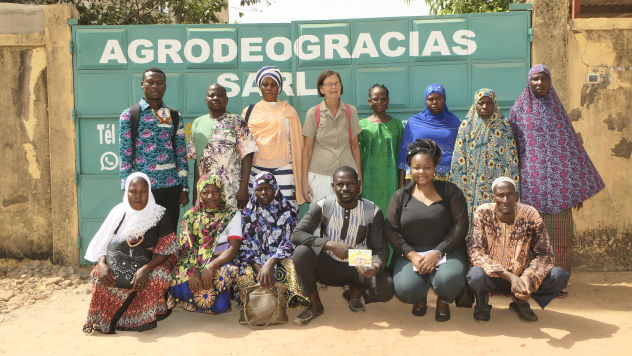
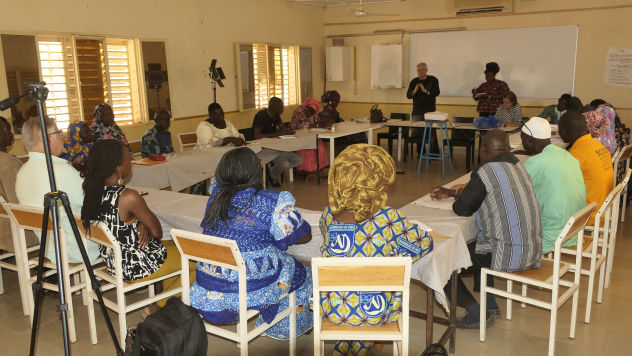
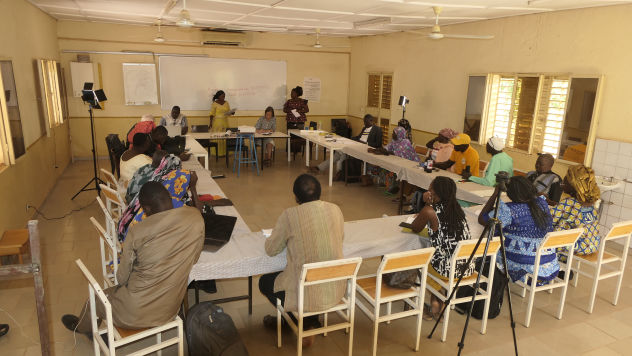
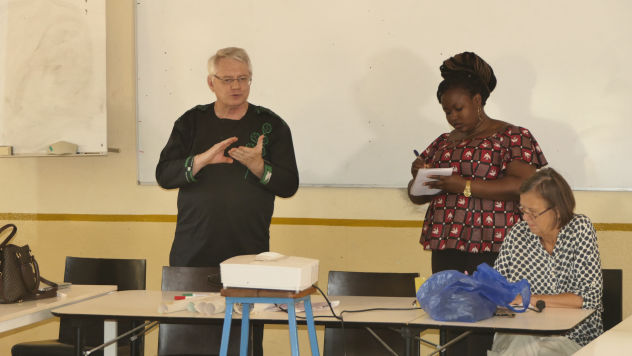
The Nutrigreen project, coordinated by Professor Konstantinos Karantininis, SLU, organized, from November 15 to December 7, 2023, an activity called “Living lab”. This activity brought together a group of stakeholders from the moringa, baobab and hibiscus sectors to discuss the problems encountered at each link in the value chain of these sectors. The closing ceremony took place this Thursday, December 7, 2023 in Ziniaré, in the Central Plateau region.
Mobirise Website Builder

Others Training Sessions

Mobirise Website Builder

Our activities Gallery

Mobirise Website Builder

Mobirise Website Builder

Mobirise Website Builder

Mobirise Website Builder

Mobirise Website Builder

Mobirise Website Builder

Mobirise Website Builder

Mobirise Website Builder

PROFESSIONAL NETWORK

Follow our activities videos

BOALA ALLEMEND

FORMATION BOALA

COLLECTE DE DONNEES

LES ELEMENTS NUTRITIFS DU MORINGA

 Our Newsletters !

Download our newsletters

Our newsletters are available for download
Biannual information sheet No. 1

Read the sheet

Biannual information sheet No. 2

Read the sheet

Biannual information sheet No. 3

Read the sheet

Biannual information sheet No. 4

Read the sheet

Theses

The theses of our doctoral students are available for download
Master’s thesis by Awa TOURE

Read 

Master’s thesis by Saïd Chanfi REHEMA

Read 

Master’s thesis by Bright LITTLE-TETTEH

Read 

Master’s thesis by Robert DOULKOM

Read 

Master’s thesis by Katarzyna Schwartz

Read 

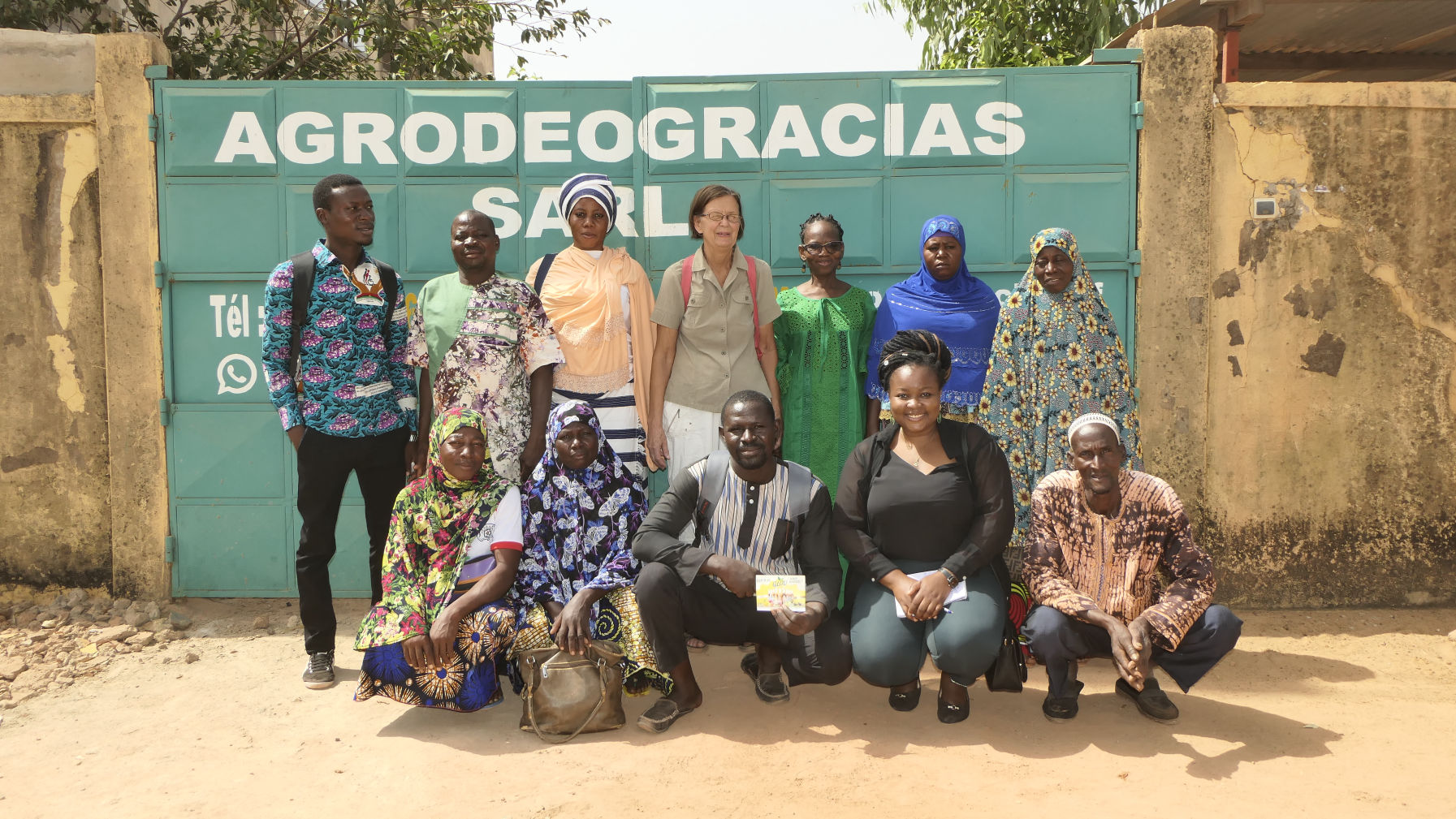
Our Members in Action

Mobirise


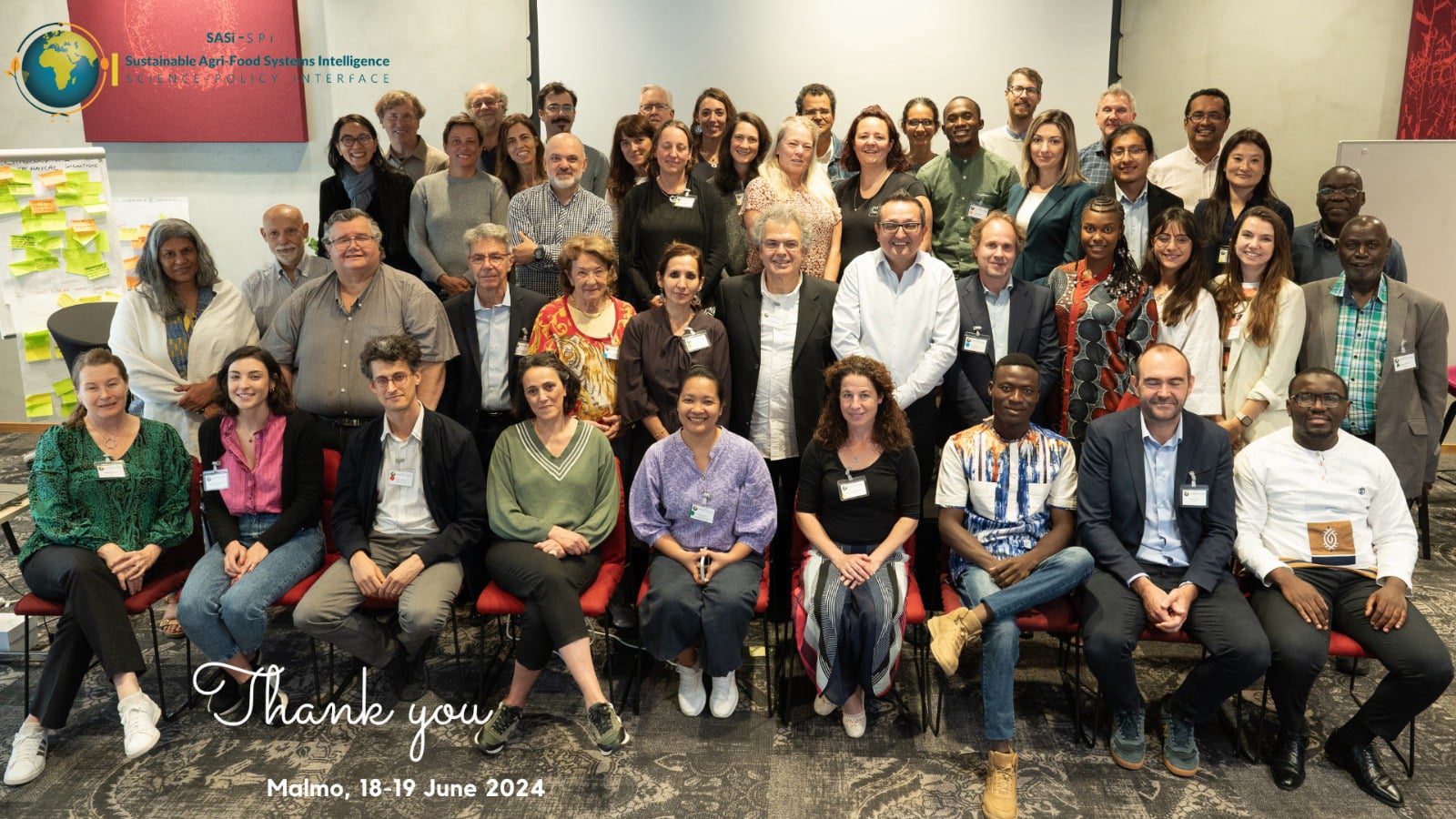
COLLABORATION BETWEEN NUTIRGREEN & SASI_SPi

CONTACT US

PHONE

+4530239503

ADDRESS

Ouagadougou - Burkina Faso